
Why the next competitive edge won’t be in how many leads you have, but in how deeply you understand them.
Forrester’s 2024 State of B2B Revenue Operations report reveals that CMOs who integrate AI-driven analytics into lead reporting achieve 15–20% higher pipeline conversion rates compared to those relying on manual reporting alone. Gartner’s AI adoption survey echoes this, noting that AI’s greatest impact in B2B marketing isn’t in creating new leads, but in elevating the quality and timing of the ones you already have.
In short: AI is no longer a “nice-to-have” add-on to your MarTech stack. It’s the filter, analyst, and strategist that works faster, sees more, and surfaces insights human teams miss.
The Blind Spots in Traditional Lead Reporting
- Static Scoring Models
Manual lead scoring often relies on outdated weighting (e.g., “C-level title” = 10 points) without accounting for behavioral or contextual nuance. - Fragmented Data Sources
Web analytics, CRM, marketing automation, and sales tools store data in silos, making it difficult to see the complete picture. - Lagging Indicators
Most lead reports show what’s already happened. By the time you see the drop in engagement, the lead has gone cold.
How AI Changes the Game for Marketers
1. Real-Time Pattern Recognition
- What It Does: AI models in platforms like Google DV360 or Salesforce Einstein can ingest engagement, technographic, and firmographic data in real time.
- Impact: Surfaces micro-patterns — e.g., mid-market healthcare firms engaging with a specific feature video — that would be invisible in standard dashboards.
2. Predictive Lead Scoring
- What It Does: Goes beyond “fit” to model the likelihood to convert based on thousands of historical conversion data points.
- Impact: Forrester found predictive scoring can increase sales acceptance rates by up to 35% compared to rules-based scoring.
3. Intelligent Lead Routing
- What It Does: Routes leads to the sales rep most likely to close based on deal history, industry expertise, or regional performance patterns.
- Impact: Reduces speed-to-contact - a critical factor, as Harvard Business Review found leads are 7x more likely to convert if contacted within an hour.
4. Account-Level Opportunity Prediction
- What It Does: Uses machine learning to forecast which accounts will open opportunities in the next 90 days based on signals from all contacts within that account.
- Impact: Aligns marketing and sales focus on “pipeline-ready” accounts, not just “marketing-ready” leads.
“AI won’t replace your sales team. It replaces their blind spots.”

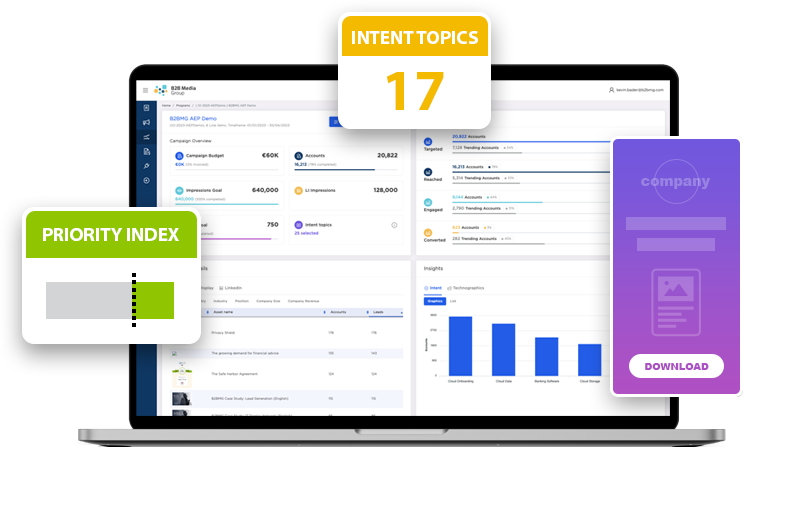
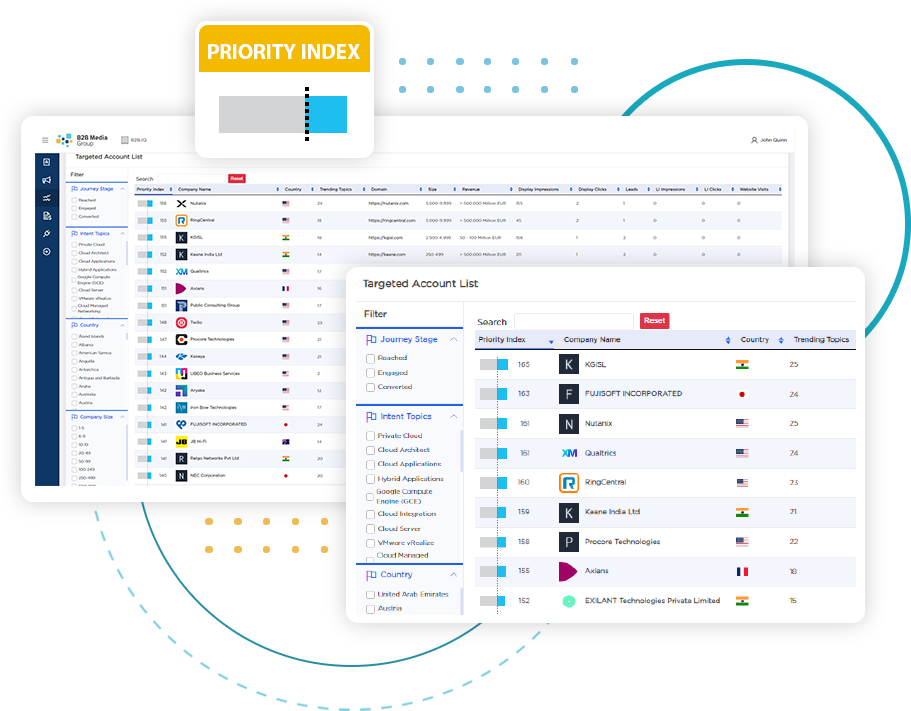
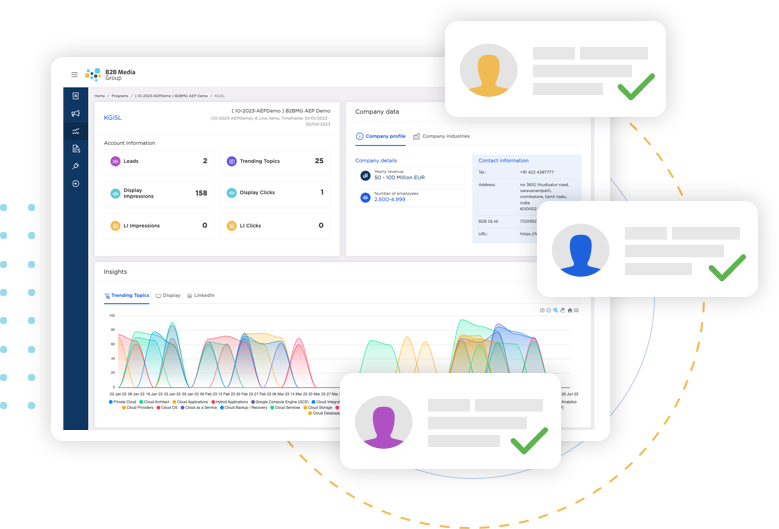
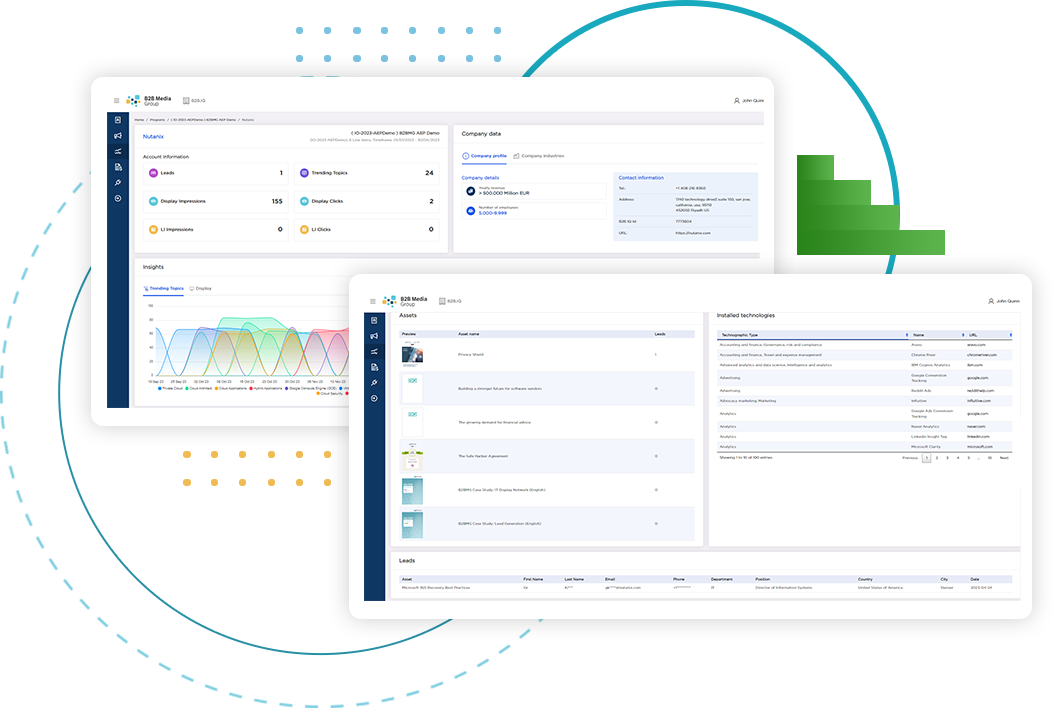
AI Lead Reporting Checklist
AI-powered predictive scoring in place
Unified data model across marketing, sales, and service
Behavioral and intent data integrated into reports
Continuous learning model (retrained monthly or quarterly)
Direct alignment between AI insights and sales playbooks
Takeaways
The AI advantage in lead reporting isn’t just about efficiency. It’s about competitive insulation. The moment your competitors start calling the right accounts at the right time with the right message, your “good enough” reporting will feel outdated overnight. By making AI a driver of your lead intelligence, you’re not just improving today’s numbers, you’re building a compound advantage that will widen over every buying cycle.
When considering a lead gen vendor, always ask yourself if their lead reporting includes tangible AI features within their offering that can collate relevant (and accurate) engagement data points, and prioritize leads for your sales teams to act on quicker and with greater understanding of each lead.
Lead gen is changing. Buyer insights, engagement data and relevant buyer indexing should be required as standard to drive more conversion opportunities.
Most B2B buying journeys are happening before your form ever gets filled. Here's why...
%20The%203%20Audience%20Segments%20Every%20B2B%20Marketer%20Should%20Be%20Targeting%20Right%20Now.png)
The 3 Audience Segments Every B2B Marketer Should Be Targeting Right Now
%20Lead%20Quality%20vs.%20Lead%20Quantity%20Blog%20Image%20(1).png)